My Top 5 games of 2025
In 2025, I managed to spend quite a substantial amount of time on gaming. I had an ambitious plan of writing longer reviews of games that I finish. That didn’t work out as intended and the only game I reviewed in 2025 was The Legend of Heroes: Trails in the Sky FC. This post is an attempt to make up for it. Here’s a list of my top 5 games finished this year, with a brief overview of each one. Games are listed in the order of playing.
Breath of Fire IV
Breath of Fire is a series of JRPGs that was somewhat popular in the 90s (first instalment released on SNES in 1993) and early 2000s (fifth instalment on PS2 in 2003)1. Breath of Fire IV was released for the first PlayStation in 20002. This was late in the console’s life cycle. As a result the game is well polished when it comes to technical aspects and stands out in terms of graphics. It features large, well animated and detailed 2D sprites, seamlessly combined with 3D environments. And while these environments can be rotated, they still look like they were 2D pixel art.
To me, the most important aspect of Breath of Fire IV is its cinematic storytelling, with a unique approach of presenting the plot both from the perspective of the main protagonist (Ryu) as well as the antagonist (Fou-Lu) - the game regularly switches between the two, until their paths finally converge towards the end of the game. Perhaps it isn’t as impressive by today’s standards, but it certainly was a standout 25 years ago.
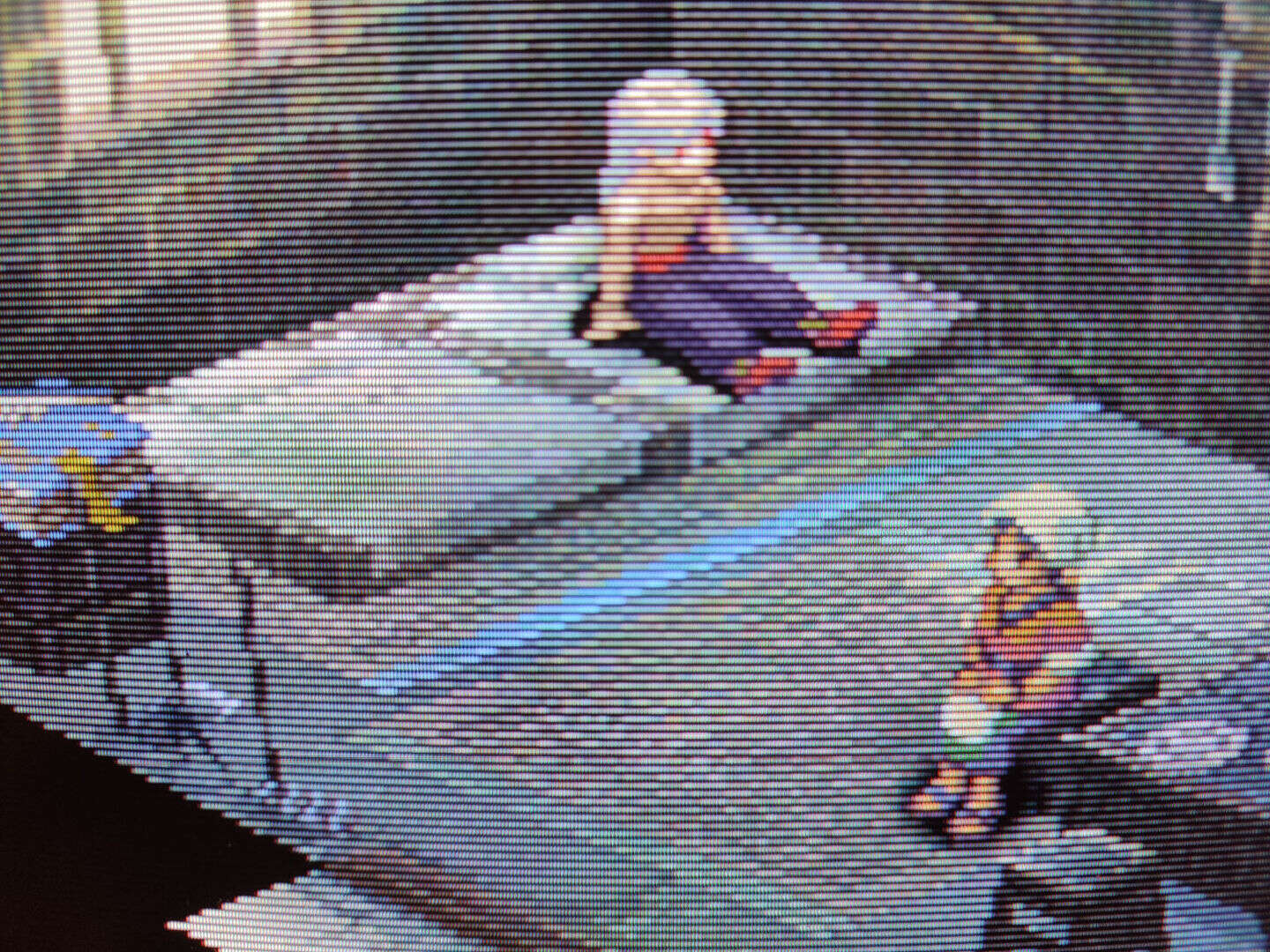
If I were to point out any downsides, it would be the fights. These occur randomly, though not very frequently. I mean, not very frequently by 90s JRPG standards. Fights are turn-based. First, you select attacks for three of your characters; you can swap between characters in the front and back row, somewhat similar to what Final Fantasy X would offer a year later. Once you commit to actions for the given turn, attacks play out according to initiative. At this point you basically just watch a series of attack animations. Despite nice visuals, this gets boring.
Another thing I didn’t exactly like is the fact that Ryu is a silent protagonist, i.e. he does not speak a single world throughout the game. The rationale behind the silent protagonist trope is that the protagonist is an avatar of the player; rather than having game creators insert words into the player’s mouth, the player can insert their own thoughts instead. This is not an uncommon plot device in JRPGs - other titles such as the Persona series, Chrono Trigger or Fire Emblem Awakening immediately come to mind - but I have never found this rationale to be convincing. Rather than increasing immersion - which, I believe, is the ultimate goal here - it creates a main character that is an empty, unmemorable, and uninspired vessel. This does not mean that the game with a silent protagonist has to be bad, though. I mean, Chrono Trigger and Persona are consider among the best JRPGs ever made, despite having a silent protagonist, and Breath of Fire IV is also very good. It’s just that nobody is going to remember the game for its protagonist.
Persona 5 Royal
I was planning to write a long, separate post on Persona 5 Royal (P5R), but that is less and less likely to happen. This short recap will have to suffice, at least for now.
I first started playing Persona 5 Royal in late 2023. After playing for about 17 hours or so, I lost momentum and put down the game for a couple of weeks. I resumed playing around March 2024 and my playthrough was going smoothly until I ran into problems with Proton, which just stopped working on my Linux machine. Despite being fairly knowledgeable with Linux and Wine, after weeks of debugging I had to admit defeat. This is the exact kind of problem I highlighted in my critique of Proton from late 2023:
A lot of games do not run well, or at all, with Proton. Moreover, even if a game runs fine on the release, there is absolutely no guarantee that it will stay this way. In the past, there have been many situations when changes introduced in a game patch or Proton broke a game.
I have then put down the game for nearly a year, and only resumed playing in early 2025, when I decided to bite the bullet and boot into Windows to play.
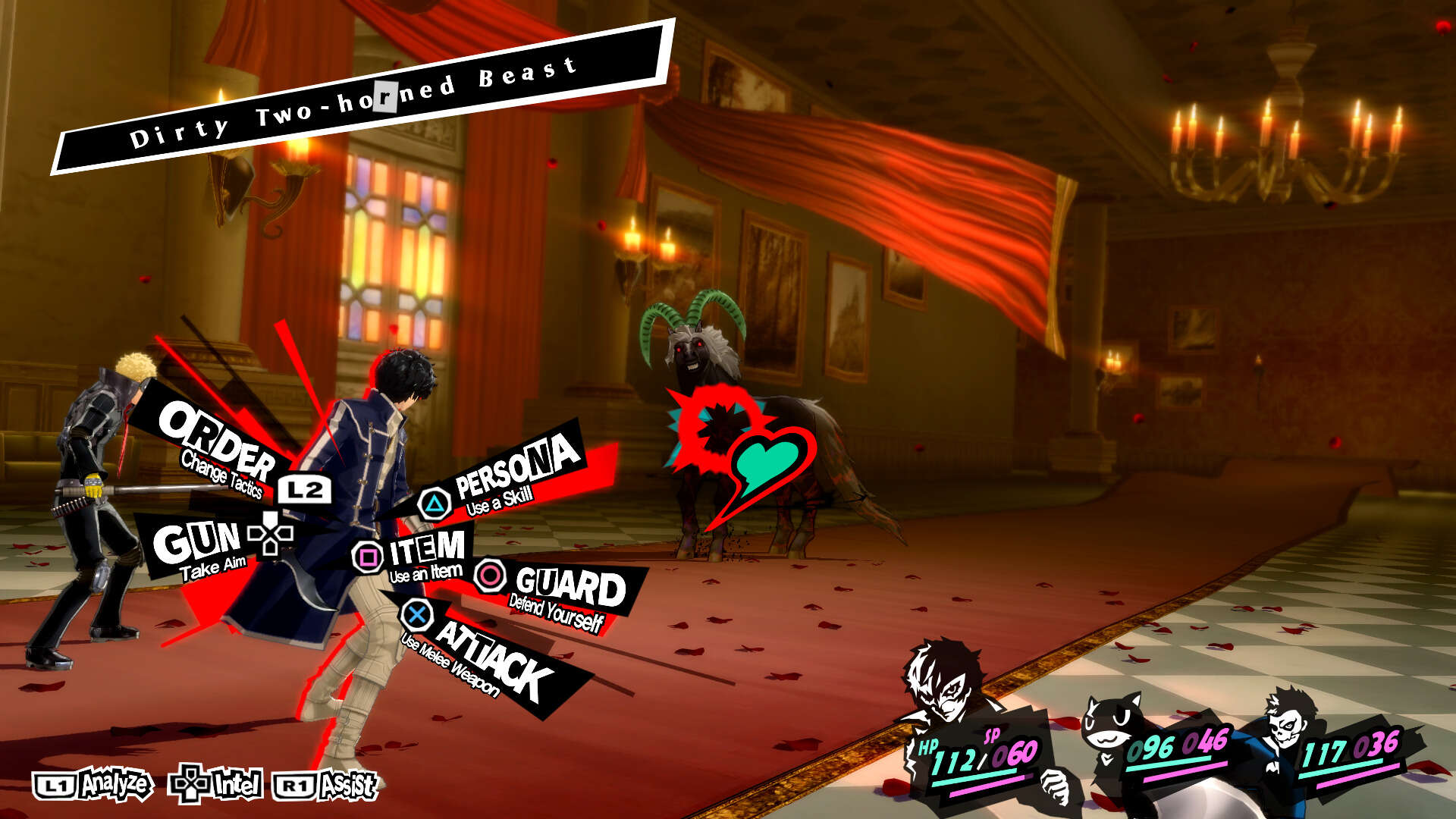
Persona 4 Golden (P4G) is one of the best JRPGs I have ever played and it set the bar high for Persona 5 Royal. In some aspects, P5R is an improvement; in some, it is not. The gameplay definitely feels better, thanks to the addition of a whole bunch of new combat mechanics that make dungeon crawling a lot more fun. Also, unlike in P4G, the dungeons are no longer randomly generated. Where P5R falls short in my opinion, is its plot. The initial third of the game, roughly 40 hours or so, just feels kinda meh. (And yes, you read that right - the game takes around 120h to complete.) The plot seems a bit forced, without a clear goal, and even characters themselves admit they don’t know what to do. Only later in the game, things start to converge and make more sense, and the resolution of the plot feels satisfying.
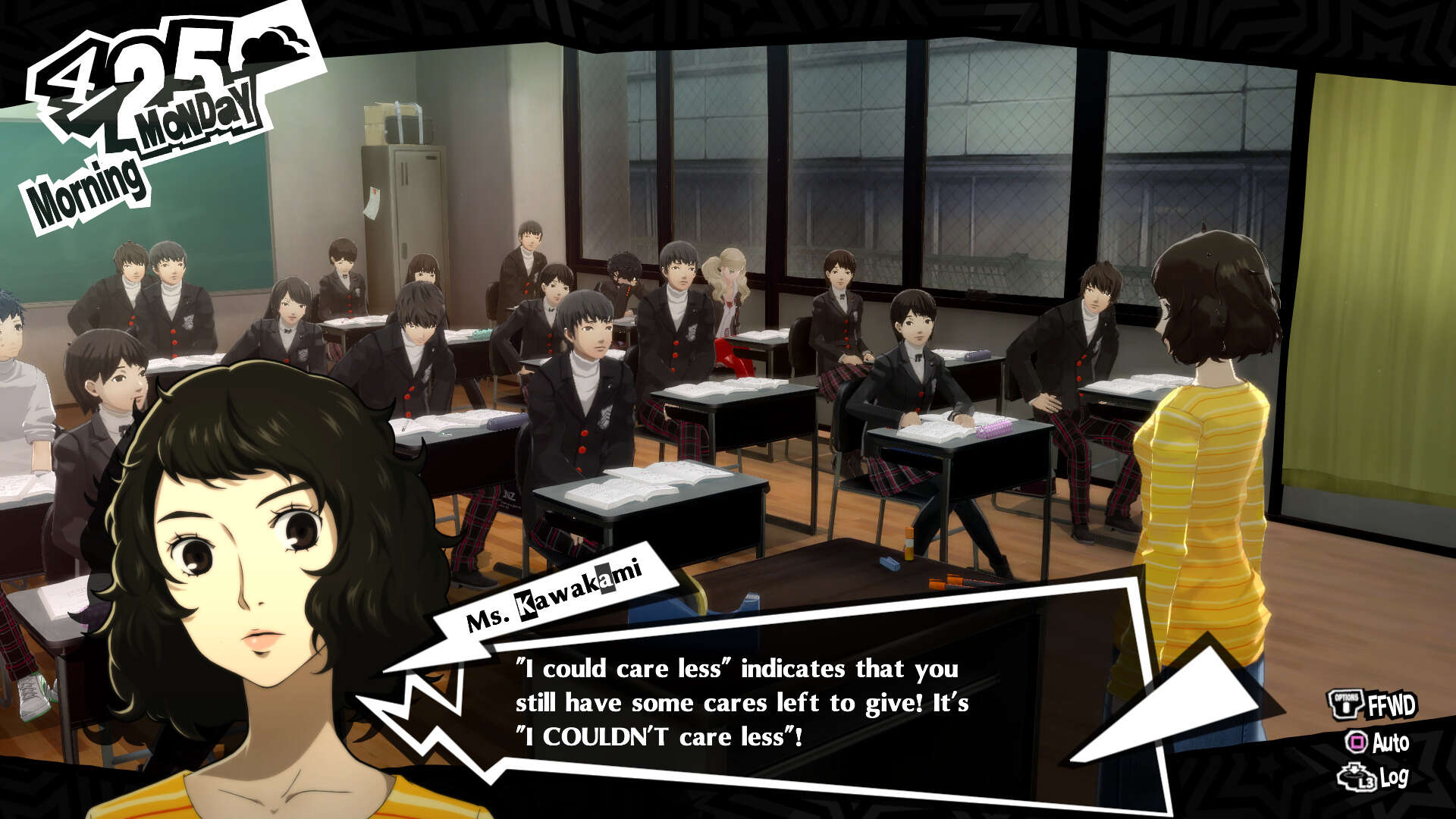
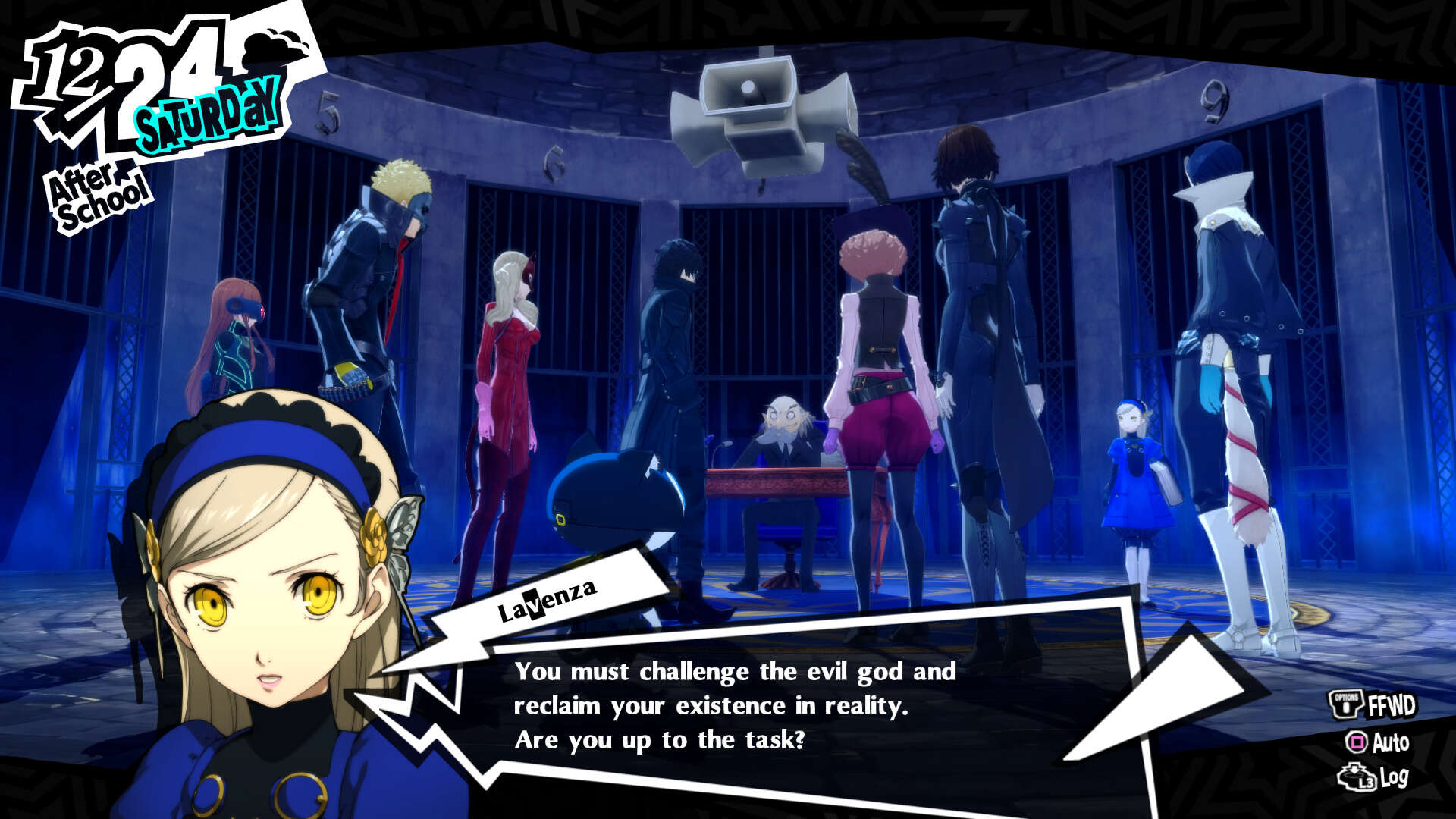
I have one major complaint about the Persona 5 Royal. The game spans over the course of three schools semesters. The first two semesters you experience day-by-day, spending mornings in school and afternoons on free activities. In the original Persona 5 released in 2016, the third semester has a handful of scripted events and most of the days are skipped. The Royal version released in 2019, expands on the third semester, adding a whole plot arc, a new dungeon, and new characters, whose plot arcs are fully resolved during that third semester. However, to access this new version of the third semester you must spend your time with Maruki, the school counsellor, and max out your social link with him. The game doesn’t say this explicitly though. Since Maruki was not among my favourite characters, I didn’t really spend time with him and only learned that I’ve been locked out of the third semester after playing the game for over 90 hours. I don’t think any game has ever made me feel that angry and disappointed. I always thought that Persona games are great examples of being beginner-friendly, not allowing the players to play themselves into a corner or do something really stupid. But the Maruki thing is one huge exception to that. I ended up downloading save files from the Internet. This allowed me to experience the plot first-hand, rather than watching a playthrough on YouTube, but not being able to play with characters that I have built was nevertheless a huge disappointment. Online search quickly reveals that I am not the only person who experienced the same problem. But despite the third semester issue and the initial plot not being well-motivated, I still consider Persona 5 Royal as one of the best JRPGs I have ever played.
Final Fantasy VII Rebirth
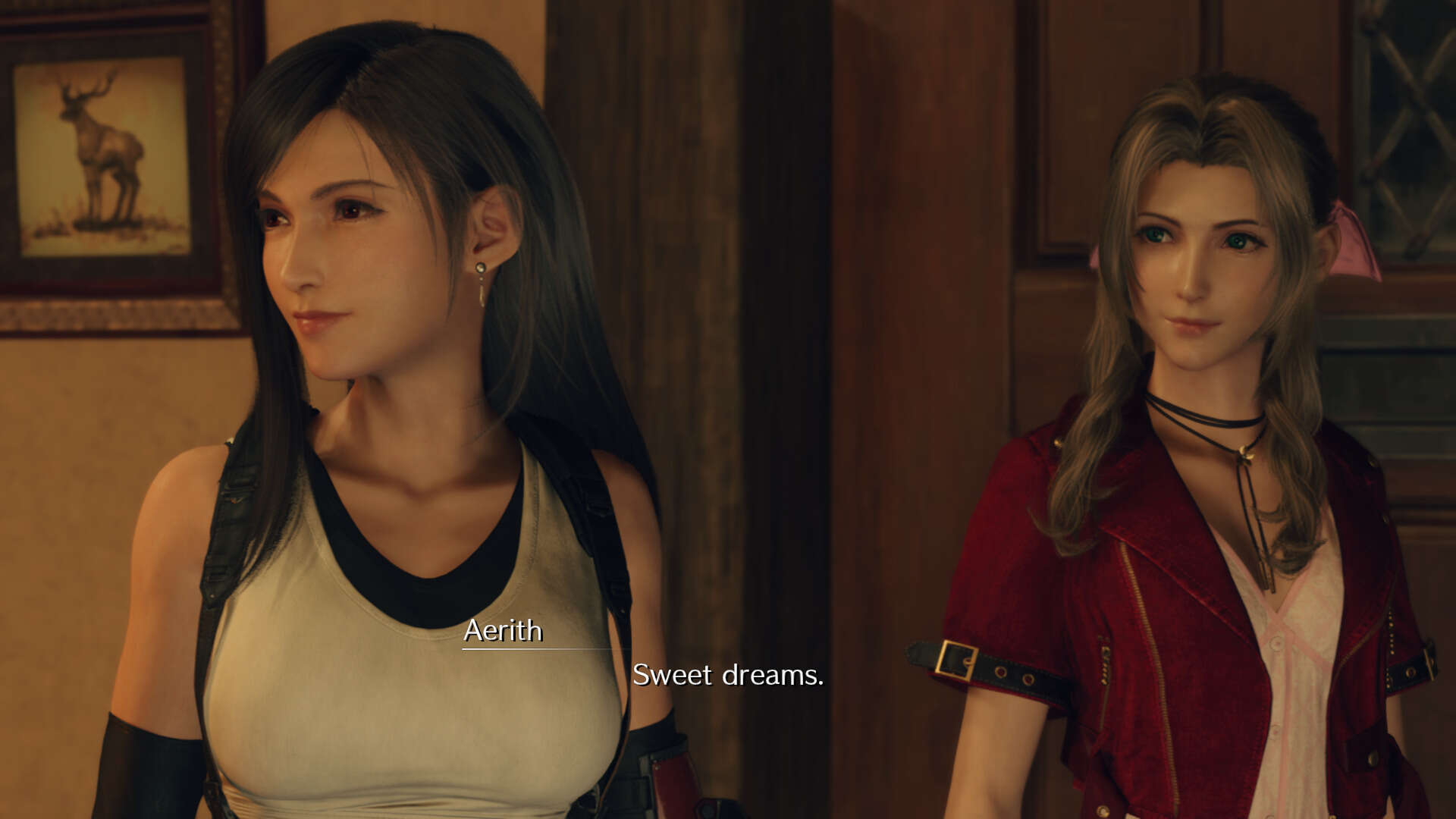
For many Western players, myself included, Final Fantasy VII was the first JRPG they have ever played. A recent remake of this cult classic has been controversial since it makes departures from the original, possibly the biggest of which is splitting the original story into three consecutive games. Rebirth is the second, and latest, instalment in the trilogy.
Having read the reviews first, I approached Final Fantasy VII Rebirth with a certain caution. A consistent complaint about Rebirth was the amount of mini-games the player has to participate in. Gameplay bloat was already a problem for me in the Final Fantasy VII Remake, i.e. the first entry in the new trilogy. I mean, Remake takes around 30h to complete if you just focus on the main plot, and it corresponds to a 5-hour segment in the original game. Obviously, a lot had to be added to make the game longer. This was my main gripe with the Remake.
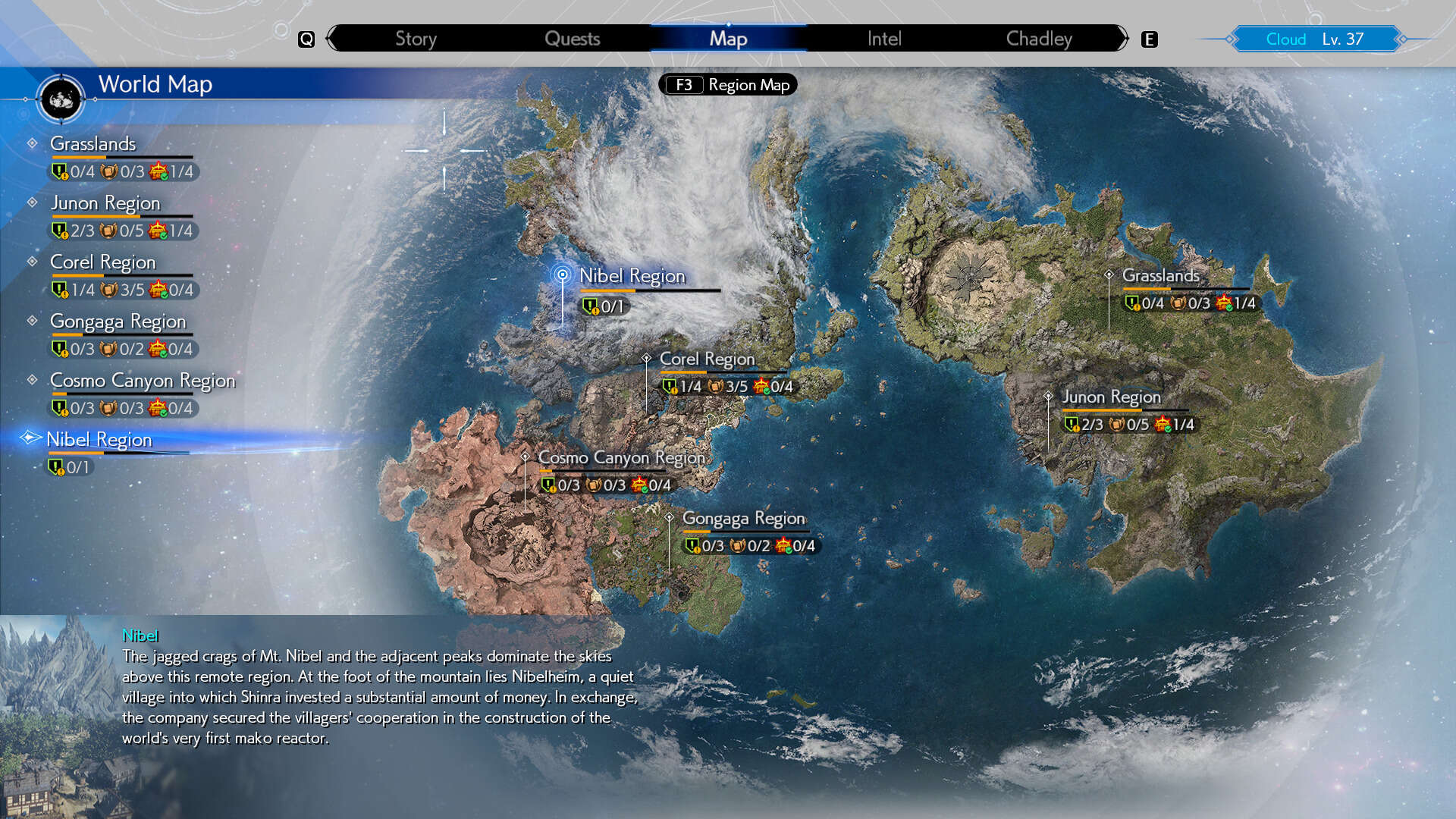
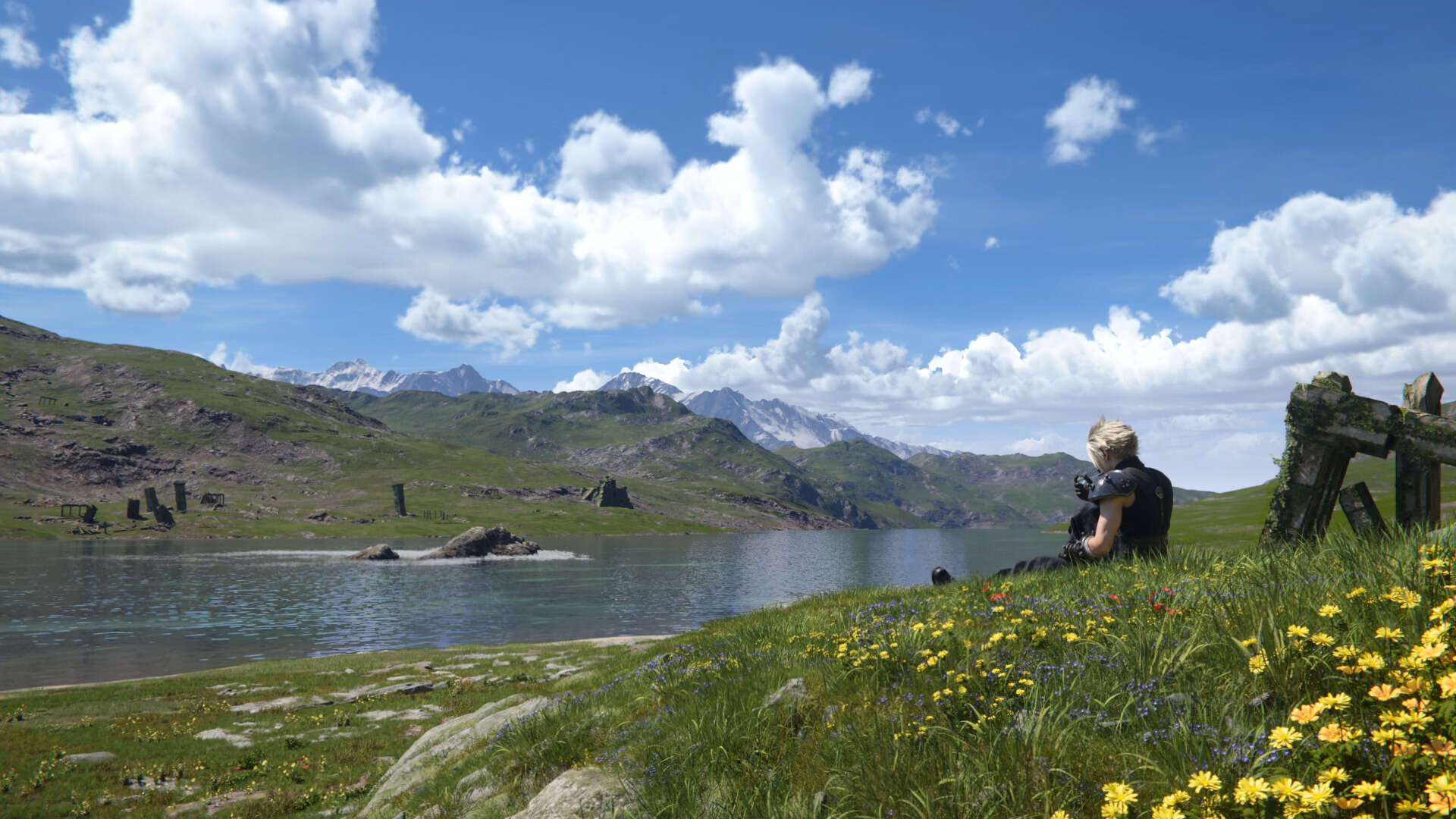
With Rebirth, I wanted to focus on the story, just like I did in the Remake, so I ignored most of the activities and side quest in the open world, as these tend to be very generic and uninspired. That being said, the world is beautiful and wandering without a purpose on a chocobo is fun, albeit not very rewarding.
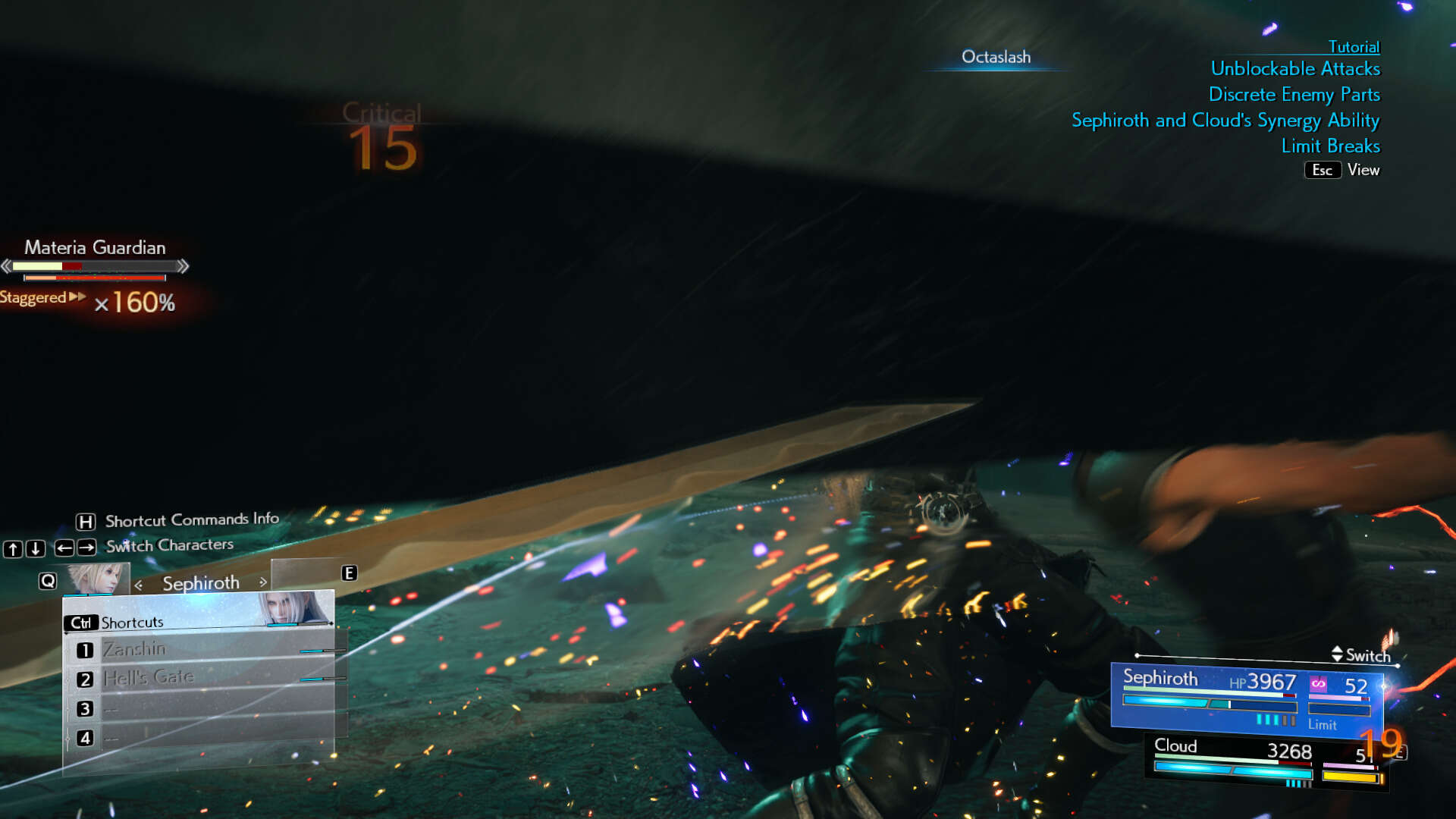
One thing I need to point out about Remake and Rebirth is that I really don’t like the new real time combat system. I really appreciate turn-based RPGs and how they force the player to think and plan strategically. In a real-time system this planning is gone and replaced by hectic button-mashing. In particular, the remakes have the player control in real-time three (!) characters. The end result is total chaos; I found the combat system overwhelming and simply not fun. The nail in the coffin is how camera works, or rather: how it doesn’t work. Combats often look like this:
My solution was to set the game difficulty to easy in order to minimize the amount of time spent in combat. That made the game a lot more enjoyable.
Last, but not least - the plot. As already mentioned, Rebirth makes departures from the original. I am totally fine with that. Telling the exact same story twice wouldn’t be much fun for me. I appreciate changes and additions, except maybe for this weird Roche guy. Both remakes are certainly slightly weirder than the original, as if it was trying to be a Yakuza game, but overall I am happy with the plot and the characters.
In the end, after making a conscious effort to avoid the game’s shortcomings, Final Fantasy VII Rebirth turned out to be a lot of fun.
Unicorn Overlord
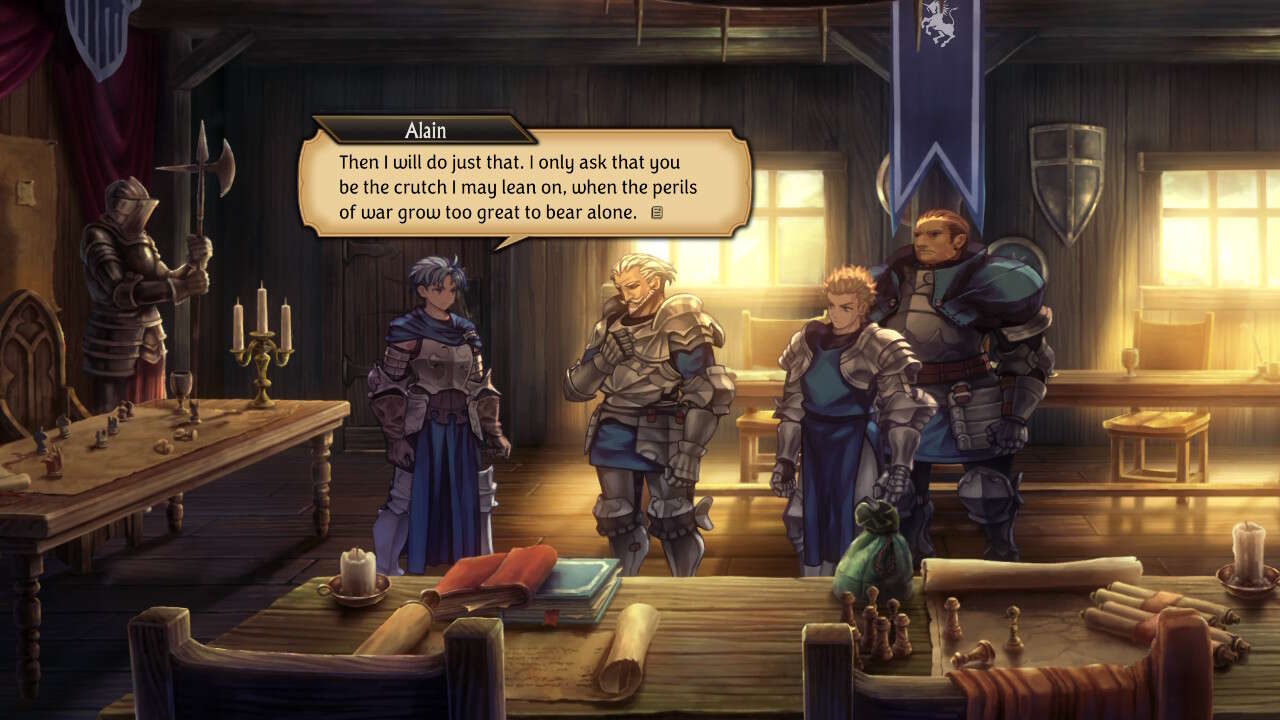
Unicorn Overlord is one of a few recent games where, upon hearing the title for the first time, you hope it is only a working title that will be changed for the release. As you can tell, it wasn’t just a working title. But anyway, in this strategic JRPG you control prince Alain, the rightful heir to the throne who returns from exile to take back his kingdom from an evil usurper. If the plot synopsis makes you think that the plot might not be the strongest part of the game, you will be absolutely right. Luckily, Unicorn Overlord makes up for it with exceptionally fun gameplay.
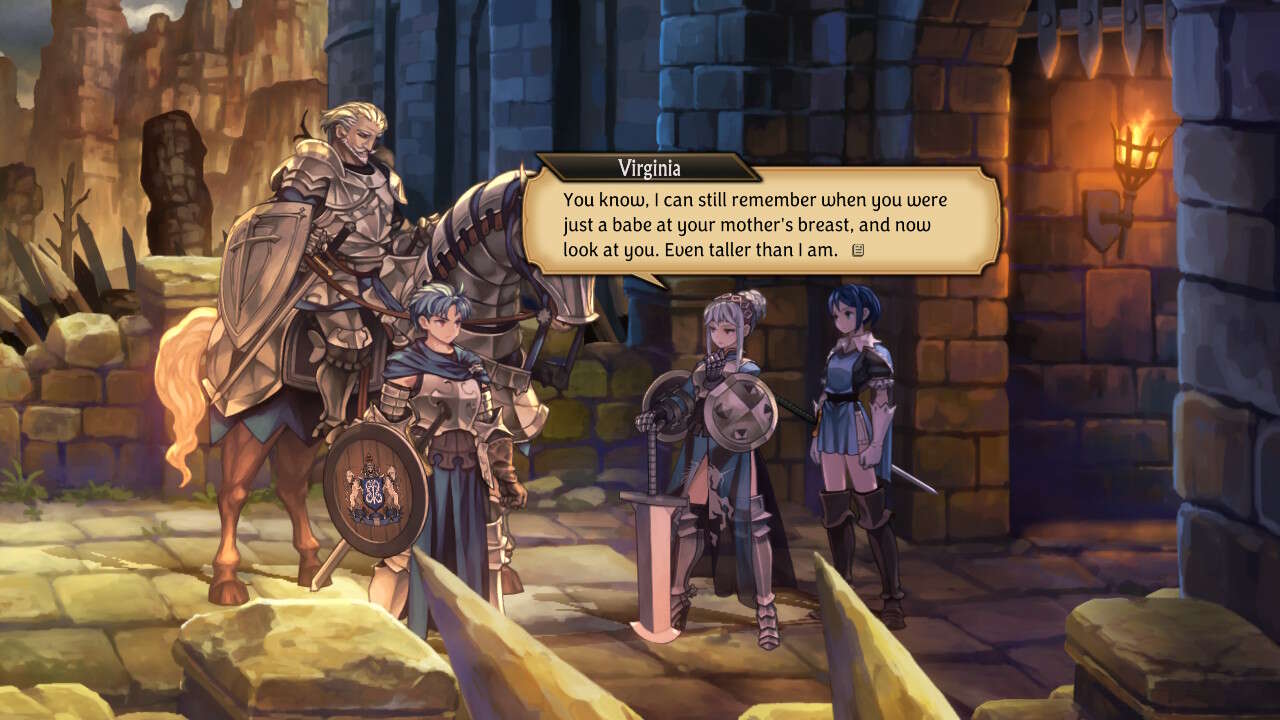
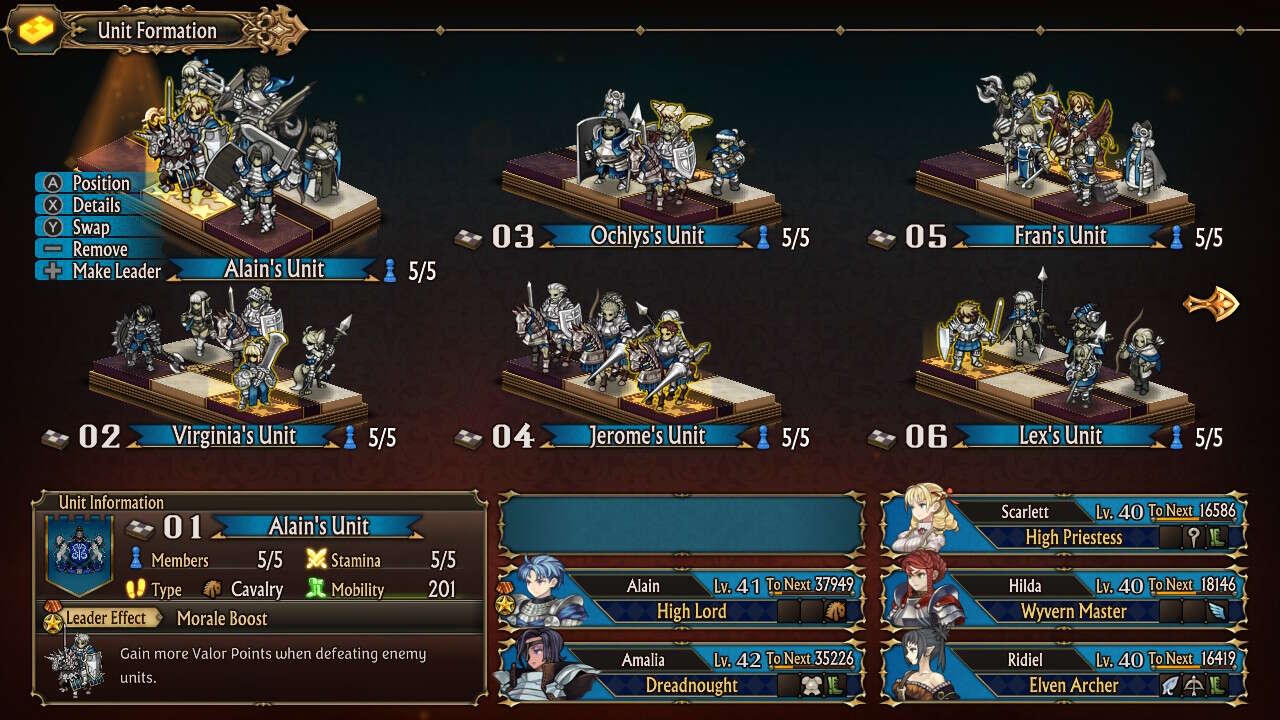
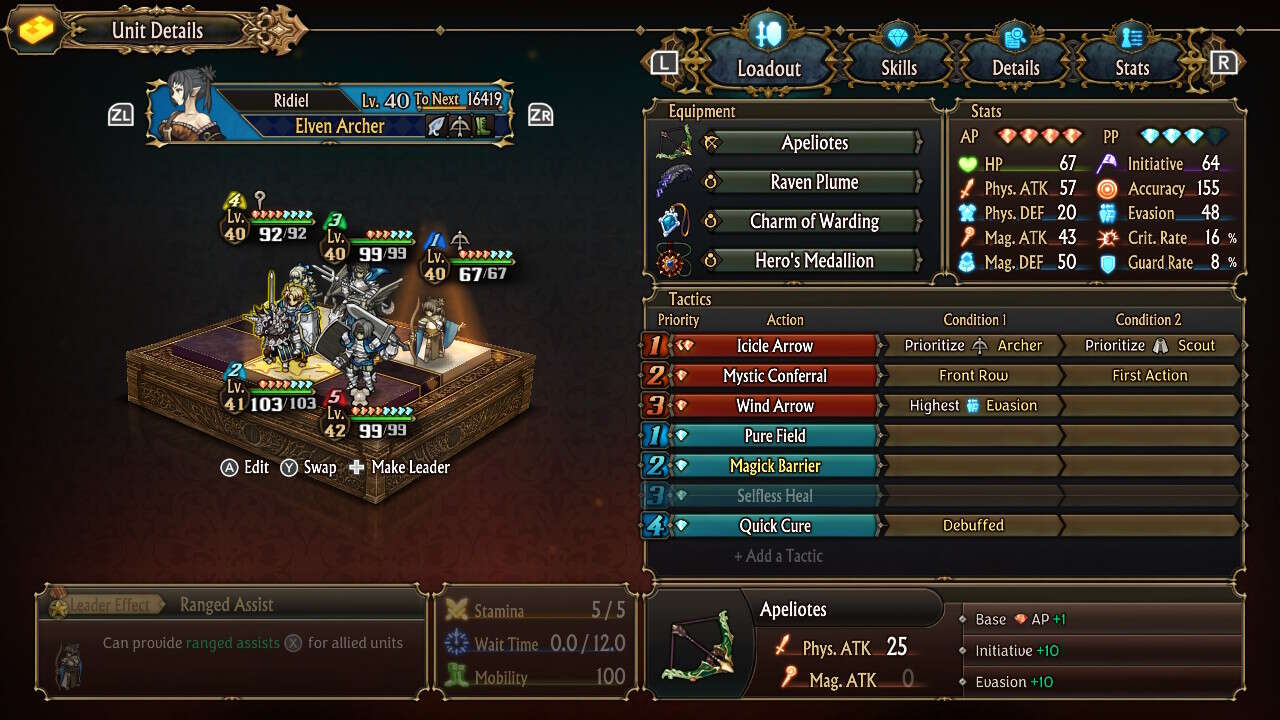
The game consists of two core elements. Firstly, fighting battles to liberate new regions. Battles happen in real-time, but there is an active pause. In Unicorn Overlord, units consist of up to five characters fighting in a single formation. You don’t get to control individual characters during the battle; instead battles play out automatically, with characters acting according to preassigned tactics. Tactics are ordered, conditional lists of attacks, such as “if there are flying units in front row, attack them with skill X”. With over 60 characters and over 20 basic character classes (and further possibilities of promoting to advanced classes), the task of figuring out which characters and tactics result in good synergies is far from trivial. Experimenting with different builds, unit compositions, and tactics is fun, but also slightly tiring at times. While the game hints at which character classes are effective when paired together, the number of available combinations quickly becomes overwhelming.
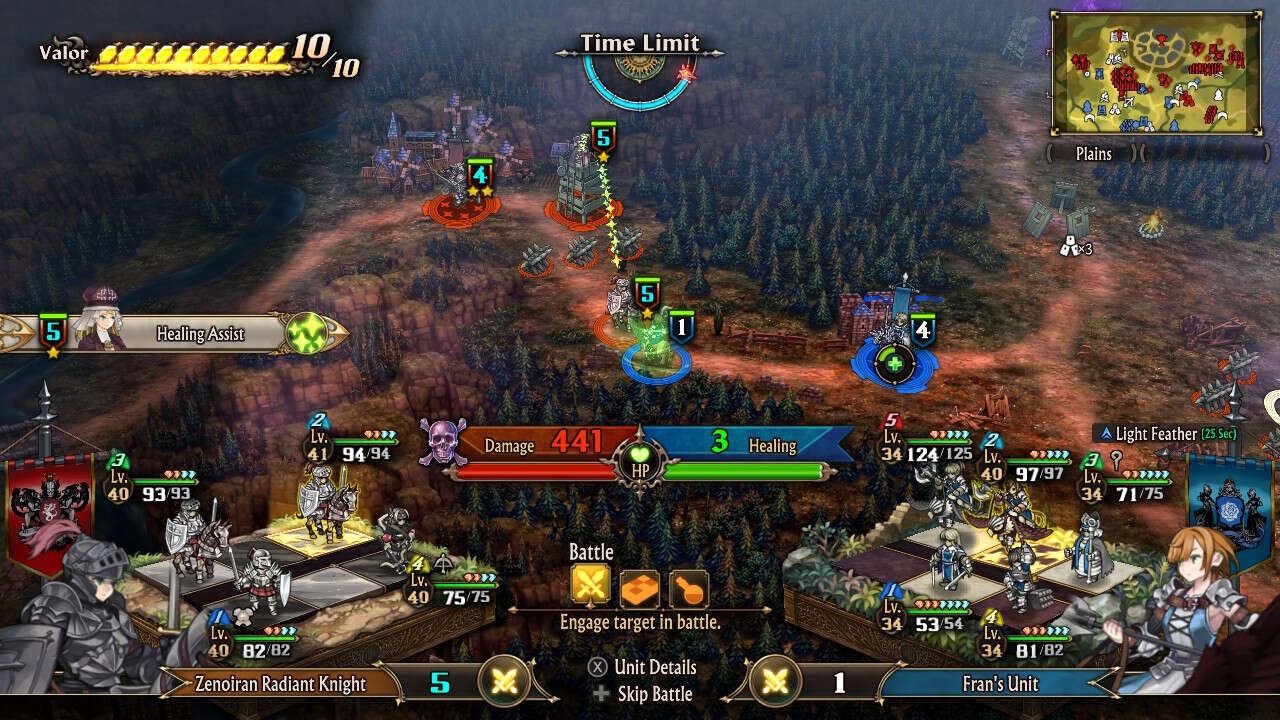
The second core element of gameplay is rebuilding reclaimed areas through various world map activities, such as gathering resources and using them to rebuild cities, or carrying out various smaller quests.
Unicorn Overlord was much talked about on release due to its English translation, which takes a lot of liberties w.r.t. the original. Sadly, this criticism feels justified. Even worse, same concerns can be raised about the majority of modern English translations from Japanese, Final Fantasy VII Rebirth being another “great” example.
Overall, I had lots of fun with this game. While the plot isn’t the most memorable one, Unicorn Overlord’s gameplay feels like a massive improvement over the Fire Emblem series.
Pentiment
Yet another game that I started playing 3 years ago, right after its release in late 2022, and only finished in 2025. I decided to discard several hours of past playthrough and start over since I couldn’t recall the plot details.
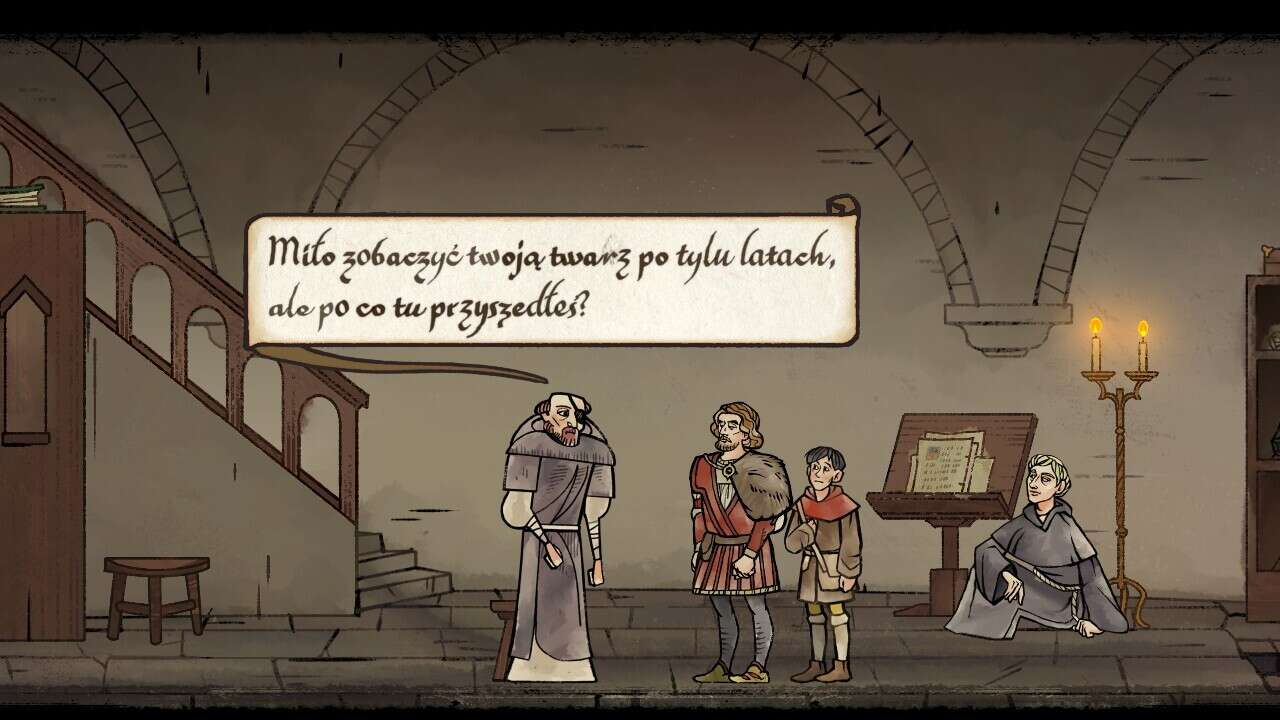
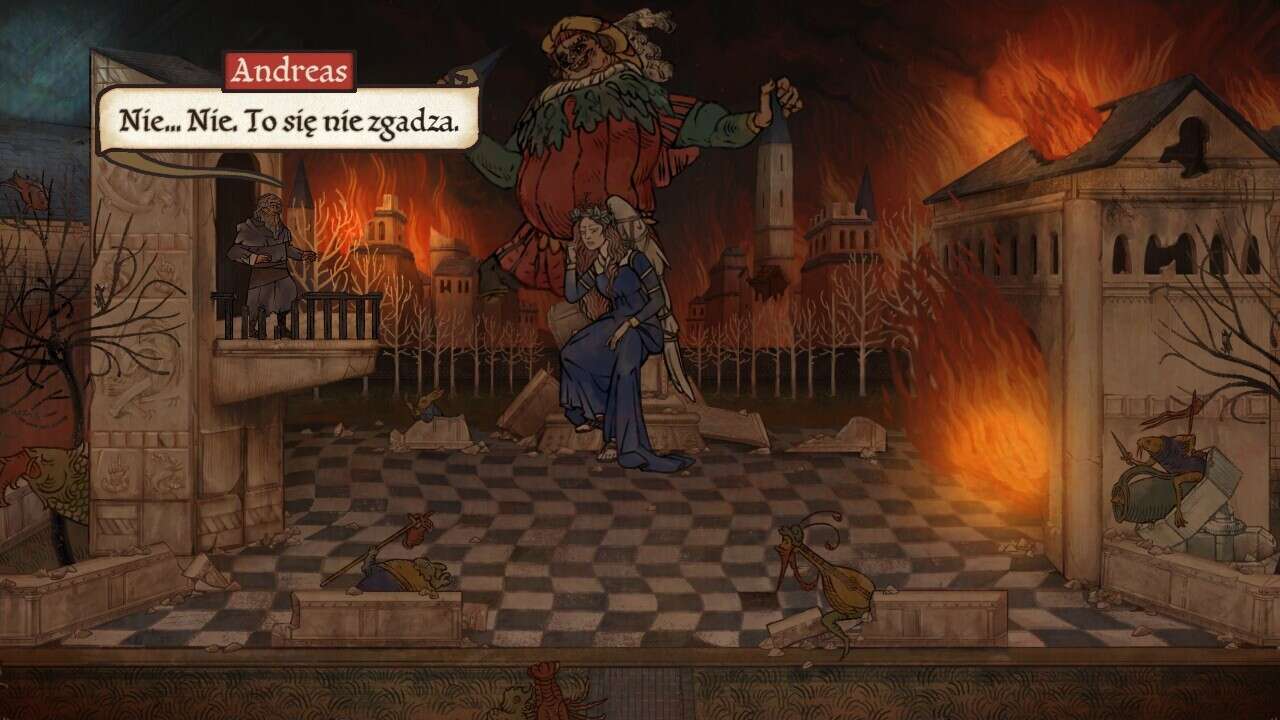
Pentiment takes place in the early XVI century, shortly after the end of Middle Ages and at the dawn of Renaissance. Big societal changes of that period paint a backdrop for the main plot, which focuses on the lives of ordinary people in a fictional Bavarian town of Tassing. Graphically, the game looks like a 2D adventure of the 90s, but stylized to resemble Middle Ages paintings. Under the hood though, this is really an RPG. There is no combat or equipment though. It is the dialogues and choices that drive the game, with various personal backgrounds and sets of skills available to the main protagonist, Andreas, affecting what options are available to the player. Perhaps the game that comes closest in terms of gameplay would be Disco Elysium, though Pentiment does not have RPG-style checks. Rather, whether you succeed on a check or not depends solely on the choices you have made so far.
What I loved the most about Pentiment is how it aims to accurately recreate the daily lives of people in the early XVI century. It shouldn’t come as a surprise that the director of the game, Josh Sawyer, is a historian by education; he also happens to be the designer of major RPG hits, such as Icewind Dale, Neverwinter Nights 2, Fallout: New Vegas and Pillars of Eternity.
Pentiment is an extremely rare case, when I decided to play in Polish, which brings me to one nitpick that I have about the game. It is pretty evident that the Polish localization was done solely from the script, since there are many mistranslations resulting from the lack of dialogue context.
Notable mentions
I also have a few notable mentions; games that didn’t qualify for my top 5, but are still worth mentioning.
Nier: Automata
Another game that I managed to complete this year after having started it a few years ago. I loved the artistic vision - character and world design, music, the ever-present feeling of longing and solitude - but I found the gameplay lacking.
Silksong
I had lots of fun playing Hollow Knight. I am not having so much fun with the sequel, Silksong, due to its difficulty and how unfair it is at times. I spent about 20 hours in the game and don’t think I have enough skill to progress past Act I of the game. At this point, I have pretty much just given up on it.
Dispatch
I am allergic to anything superhero-related. As such, Dispatch comes as a pleasant surprise, where the story about superheroes is essentially an office comedy. The game is very light on gameplay and focuses on narrative choices.
Doki Doki Literature Club
I don’t want to spoil this one, so let’s just say this is a kawaii visual novel with the exact kind of dark twist that I like. Available for free on itch.io, though I played the Switch version.
Needy Girl Overdose
Another visual novel with dark twists. This time you assume the role of a manager for an online streamer, KAngel. It’s up to you whether she’s gonna spend her time gaming and streaming about nerd stuff, or taking drugs and indulging in conspiracy theories.
Summary
Having written this post, two things stand out. Firstly, 2025 was a year of JRPGs for me. I finished several titles I started a few years back, but also played a whole bunch of new ones. Secondly, I played a lot - each of my top 5 titles requires dozens of hours - thanks mostly to handheld gaming. Getting the Nintendo Switch and the Steam Deck is what made the difference for me, but that is a topic for another post.
Sixth part of the game was released in 2016 as a free-to-play and was operational for about a year. Let’s pretend it didn’t happen.↩︎
As I was playing Breath of Fire IV on the original PlayStation, the PC port from 2003 was released on GOG.↩︎